Chef Anne’s Pappardelle
Sometimes you just need to make homemade pasta. It’s a challenge, at first, but once you get the hang of it, it’s a fun afternoon project. We found this recipe from Chef Anne Burrell years ago and it’s been our go to ever since. We were sorry to hear of her passing but we are grateful she left some terrific recipes in her own clever way of describing the creations. Here’s our experience making Pappardelle from Chef Anne.
This post contains affiliate links.
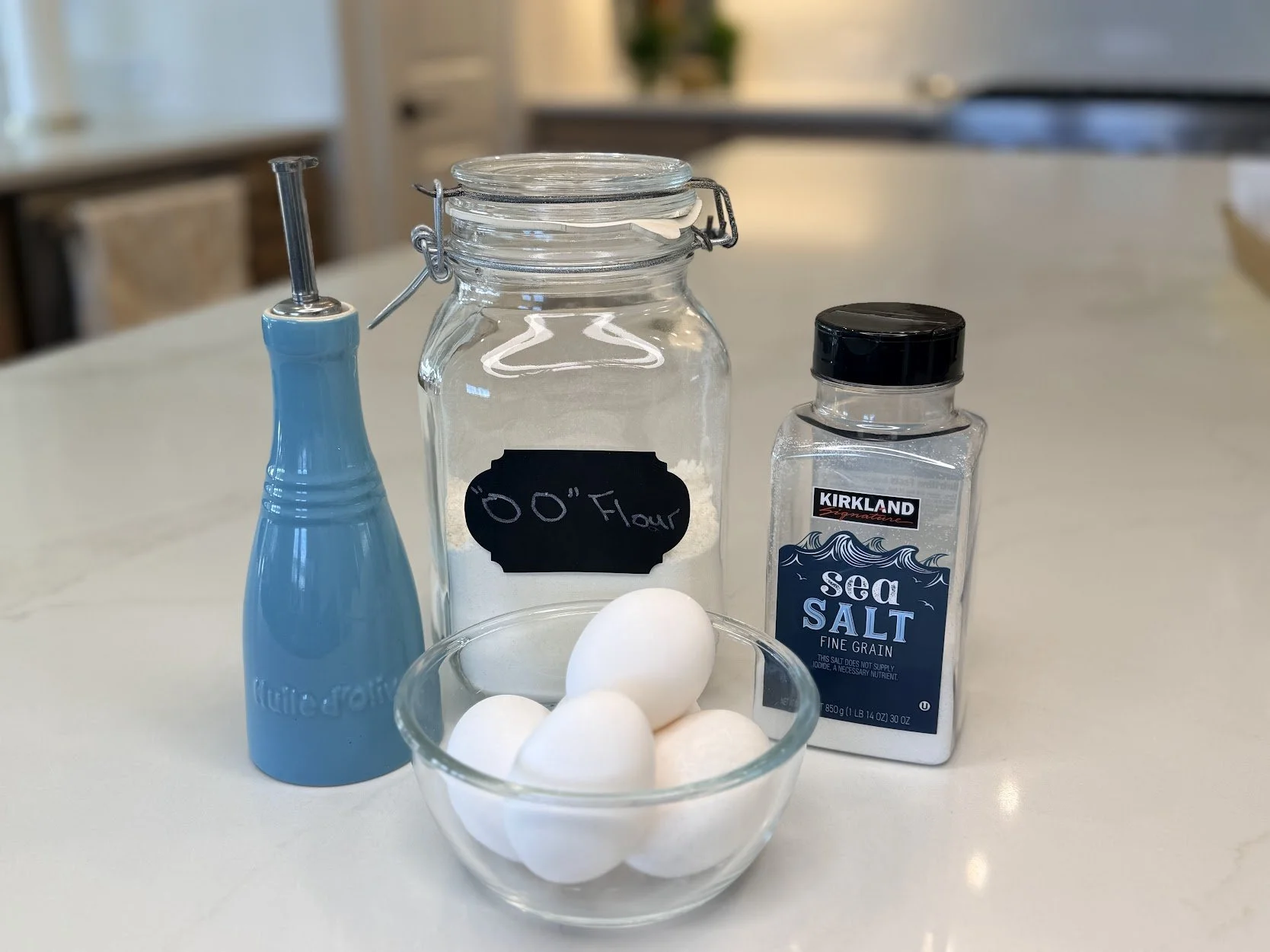
Below, you will see the instructions written exactly as originally published. Here, we are sharing our experiences making this pappardelle with a few of our tips, we’ve learned along the way.
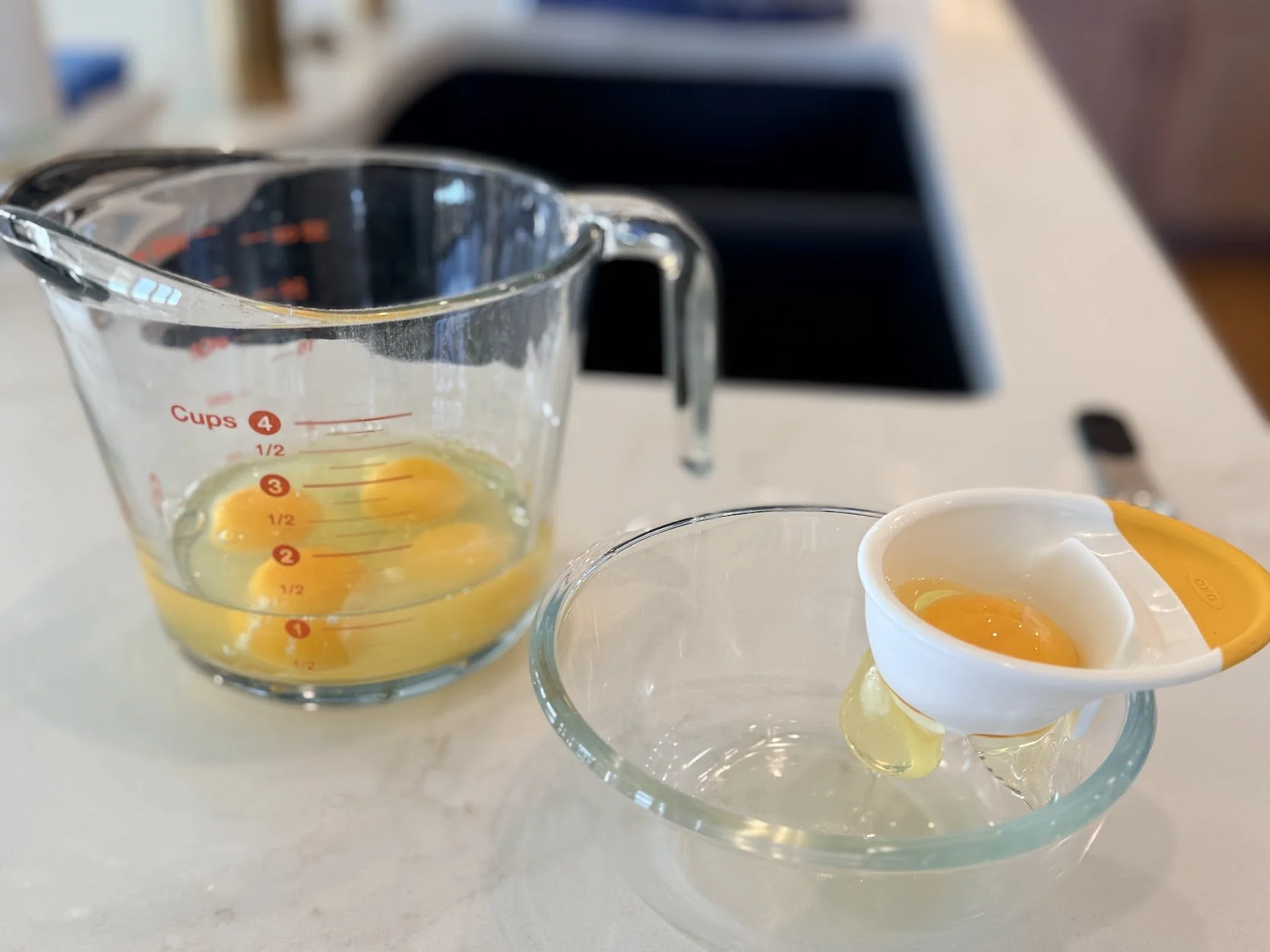
Let the eggs come to room temperature. We’ve learned, bringing eggs to room temperature helps the flour hydrate more evenly, which leads to a smoother, more elastic pasta dough that rolls out beautifully.
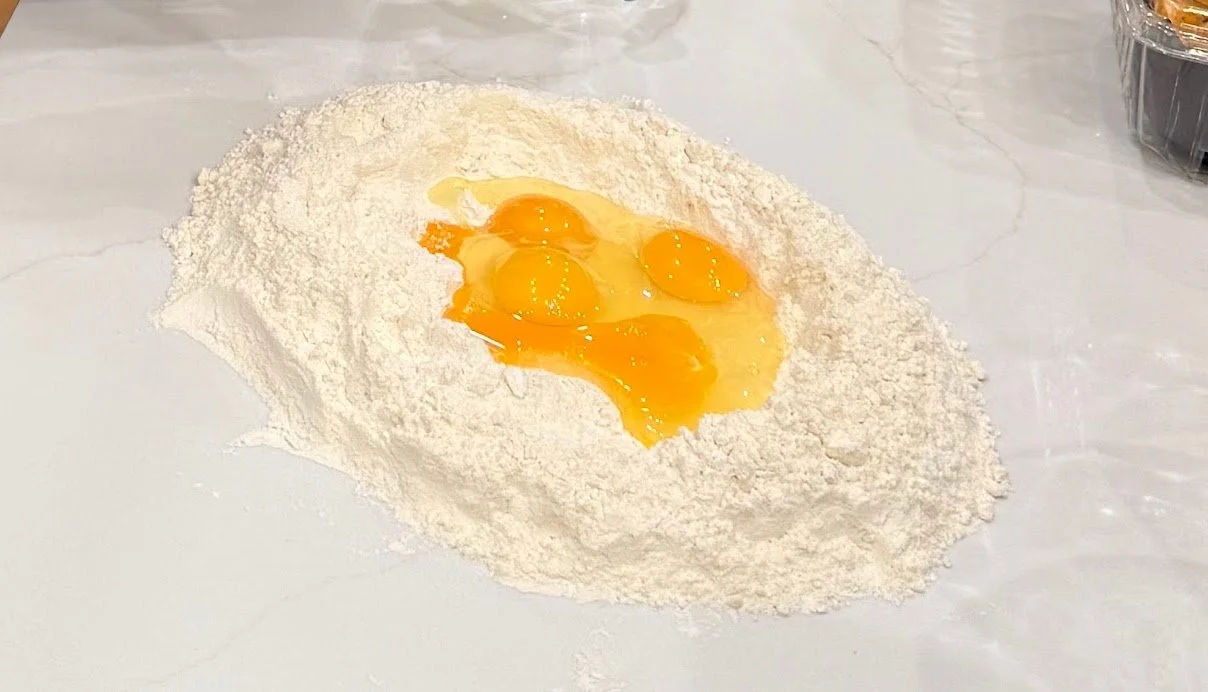
Then, on a very clean surface place your flour. Making a well, add the eggs then the olive oil and water. Don’t break the well. This is where it gets fun. Using a fork beat the eggs together inside the well. Start to incorporate the flour into the egg mixture without letting the eggs drip down the counter. Once you have a nice form you can start to work the dough with your hands. We’ve done it this traditional way many times.
Or, you could add the ingredients to your stand mixer and let it do the work. It turns out great and less mess on the counter.
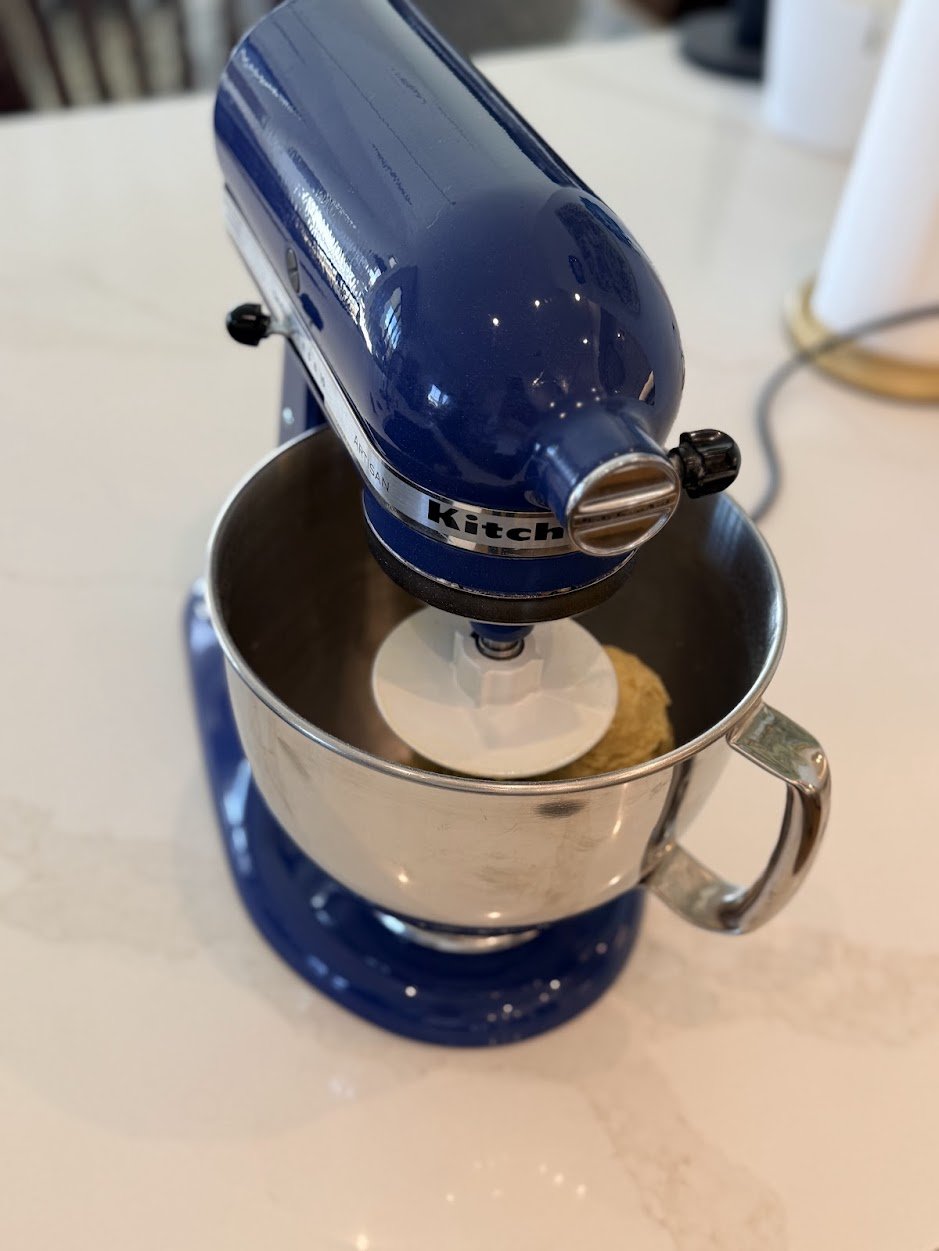
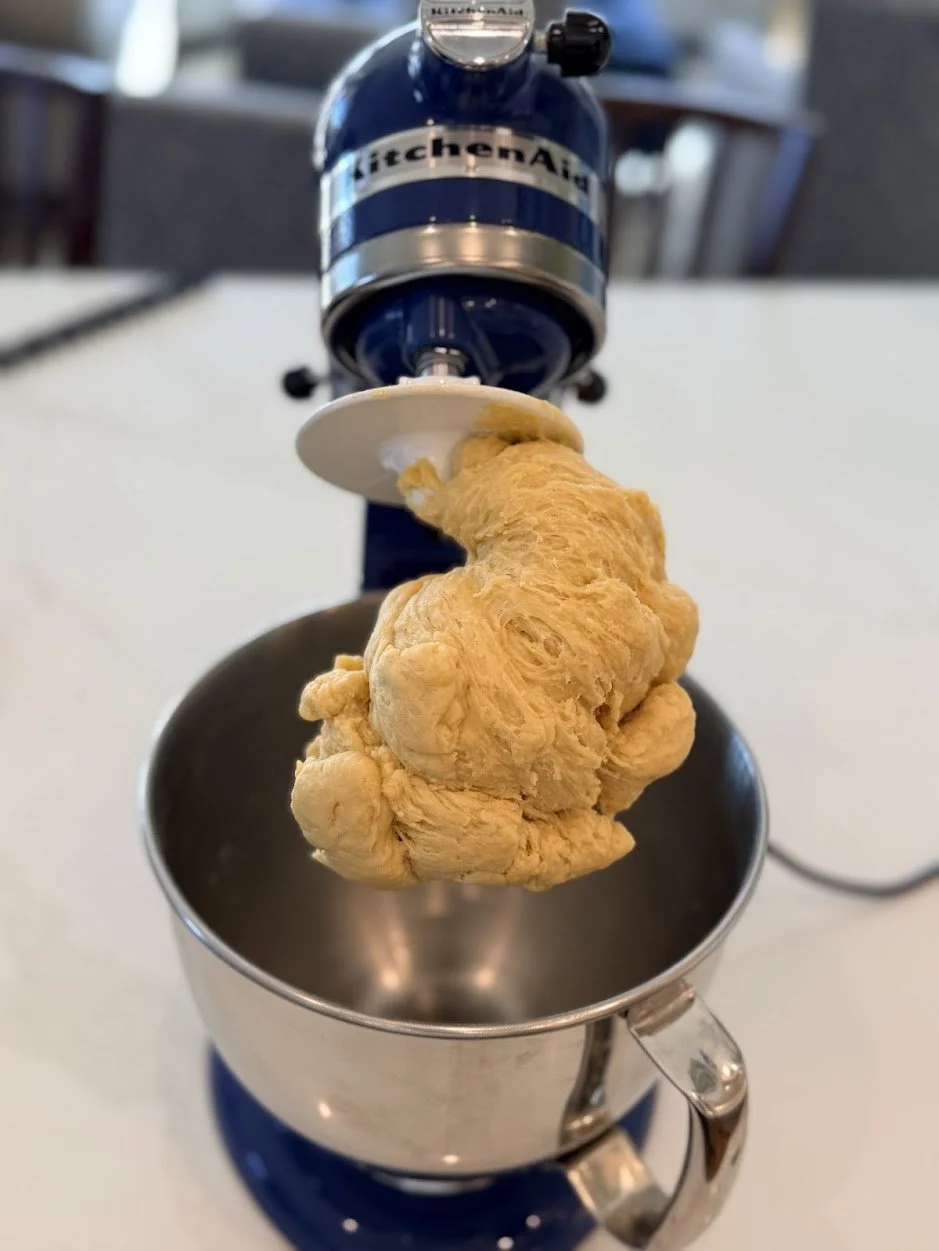
Next, the recipe says you should hand knead your dough. We saw other recipes that said you could use the stand mixer to knead the dough. So we got out the trusty KitchenAid again, and let it do the hard work. It came out perfectly. After this process, wrap the dough tightly in plastic wrap and let rest for an hour.
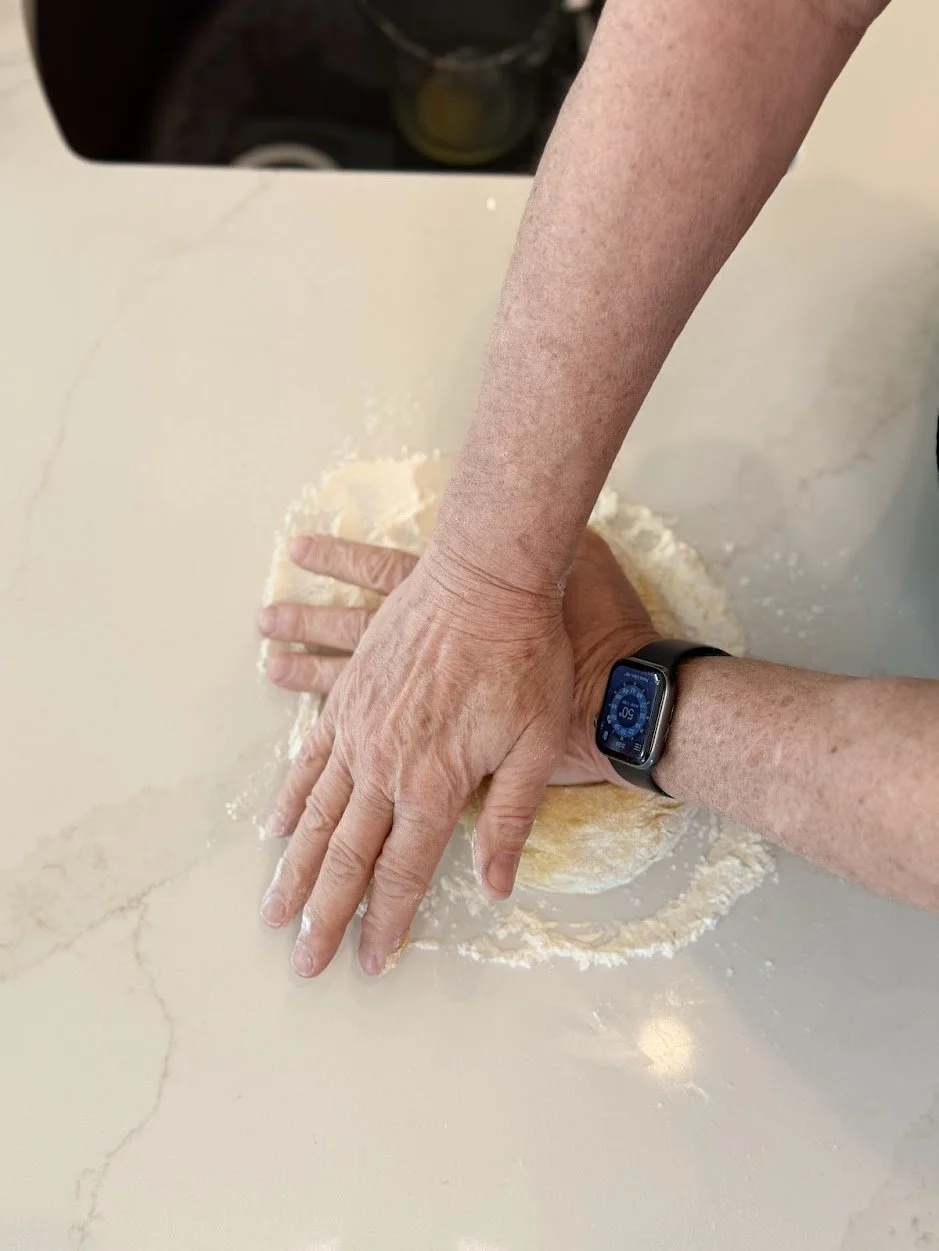
After an hour, it’s time to roll the dough. Start with some flour on a clean surface and flatten out just a third of the dough onto the surface. It’s ready for the pasta roller.
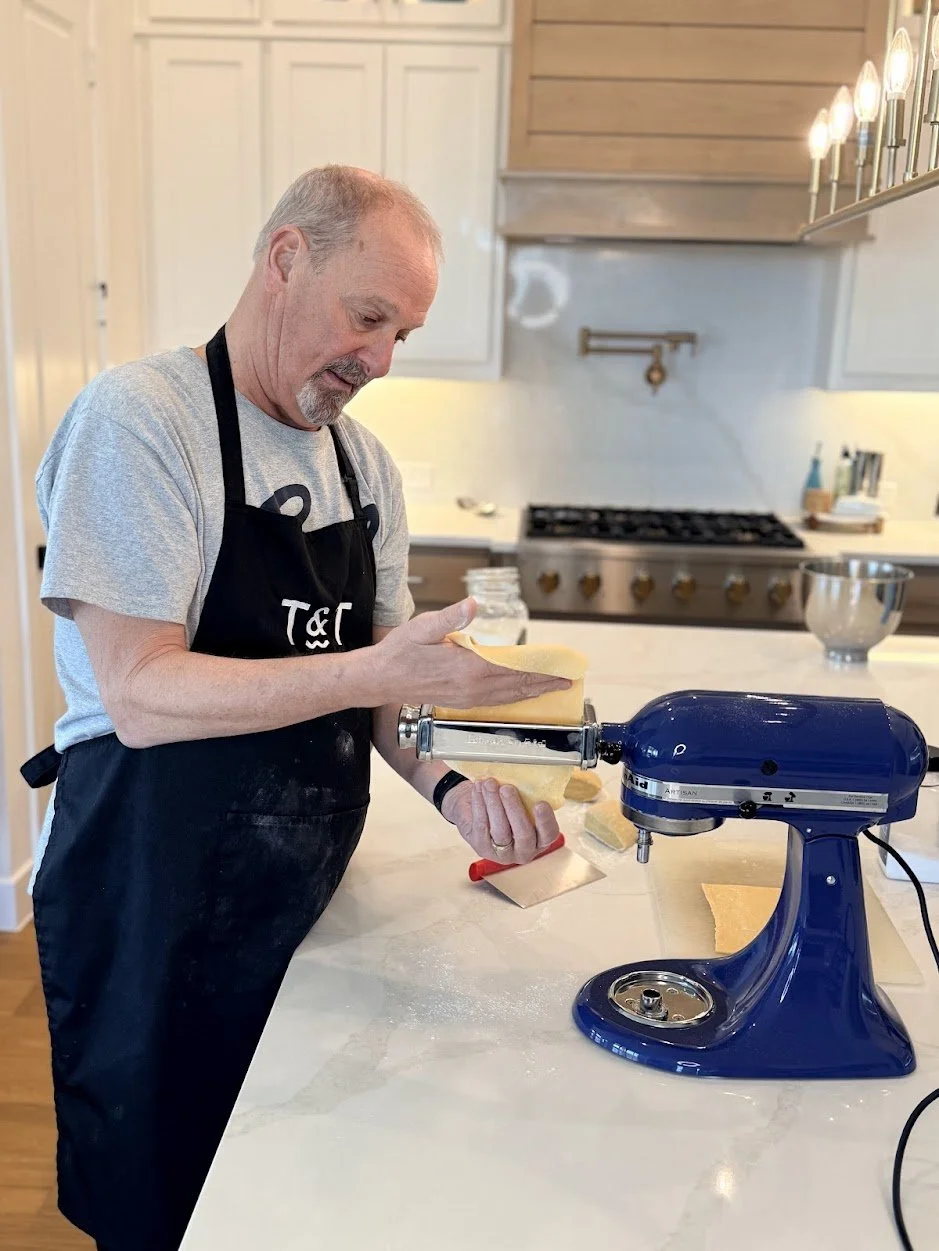
We originally had a hand crank roller, but when we got our KitchenAid stand mixer, invested the the pasta roller attachment. It was well worth the investment! Start rolling through #1 setting first. Roll it though twice on the first setting.
Fold the dough in thirds and roll it again. Next, take the setting down to #2 and roll through it again. Keep the dough lightly dusted with flour to keep it rolling through the machine smoothly. Chef Anne gets her pasta all the way to setting #6. Good luck! We get to #4 and feel quite accomplished.
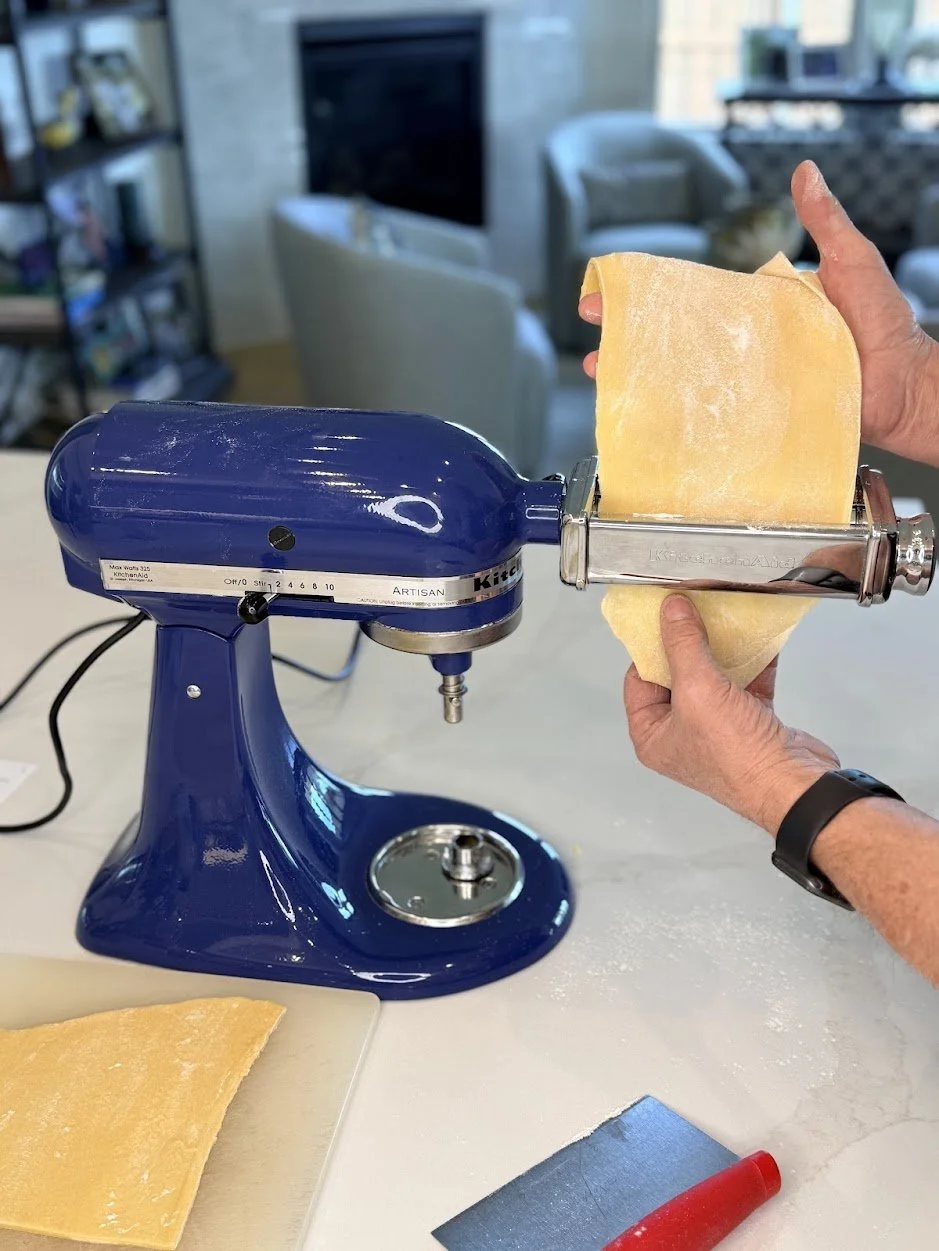
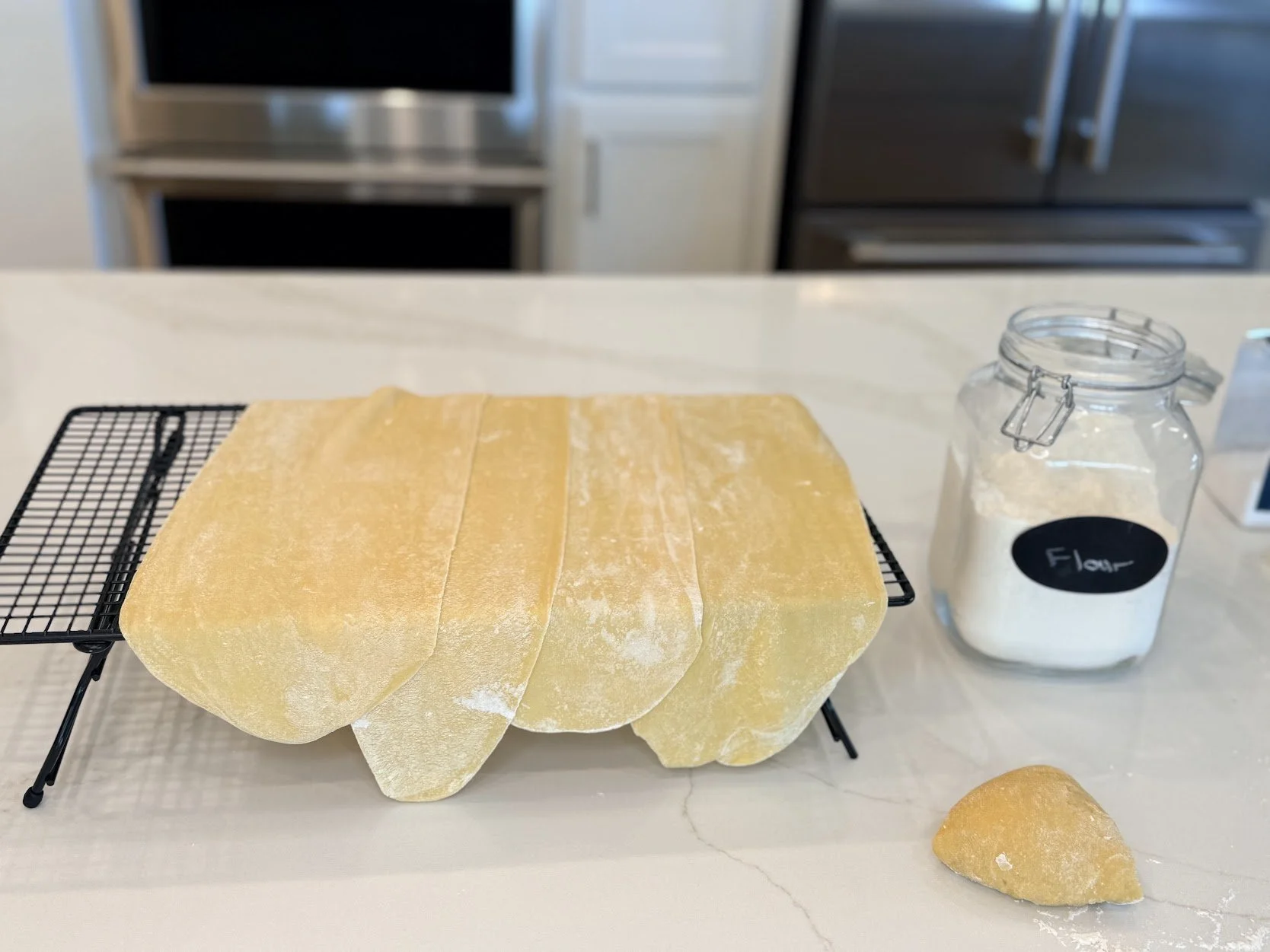
Look at those pretty sheets. We have found laying them out to “dry” a bit is helpful.
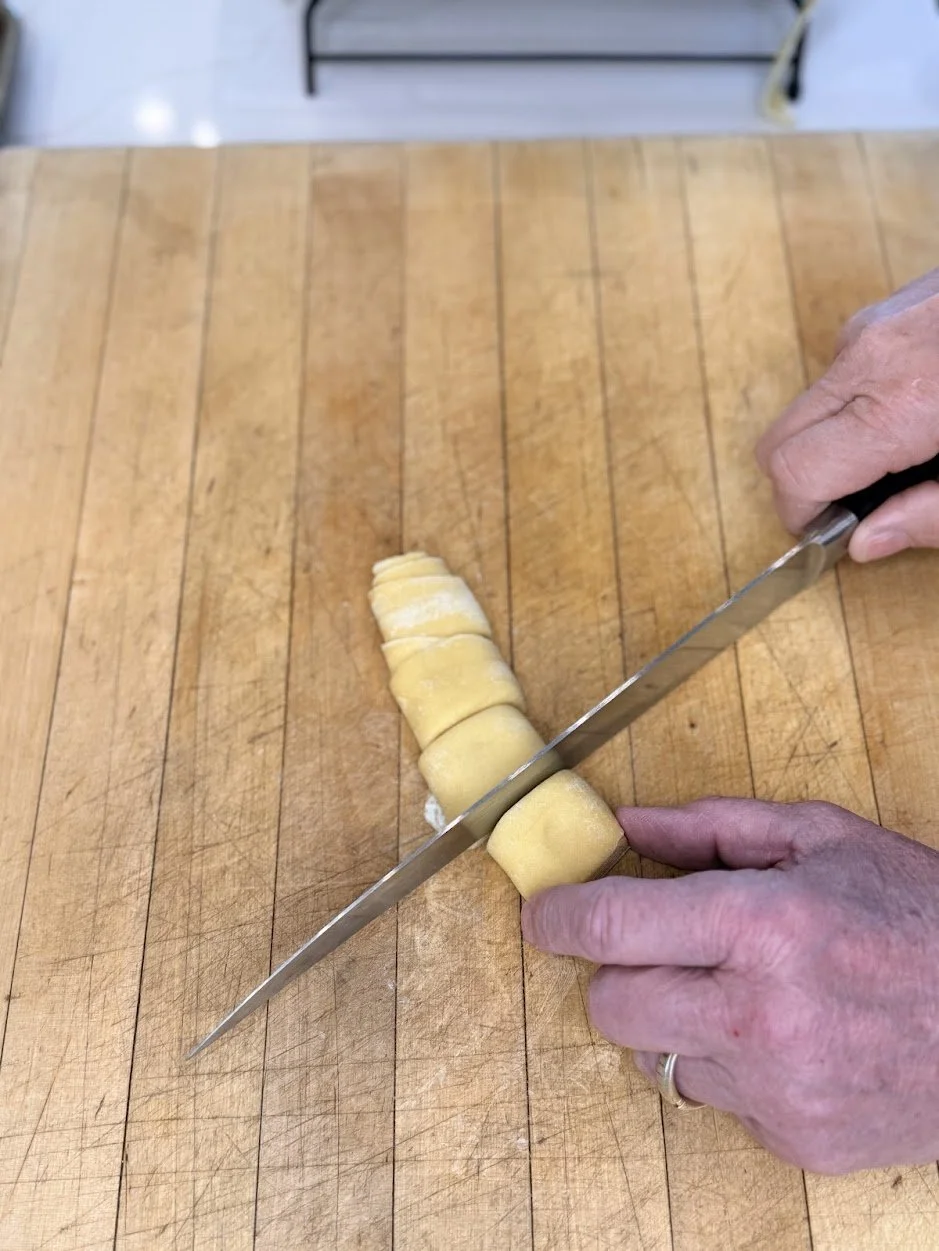
Next, it’s time to cut the pasta. Cut into 1” “ribbons.” We have successfully cooked some on the same day and then placed the remainder in a air-tight bag to save for the next day. Caution: if the dough is too tacky the ribbons might stick together. Keeping that dusting of flour helps here.
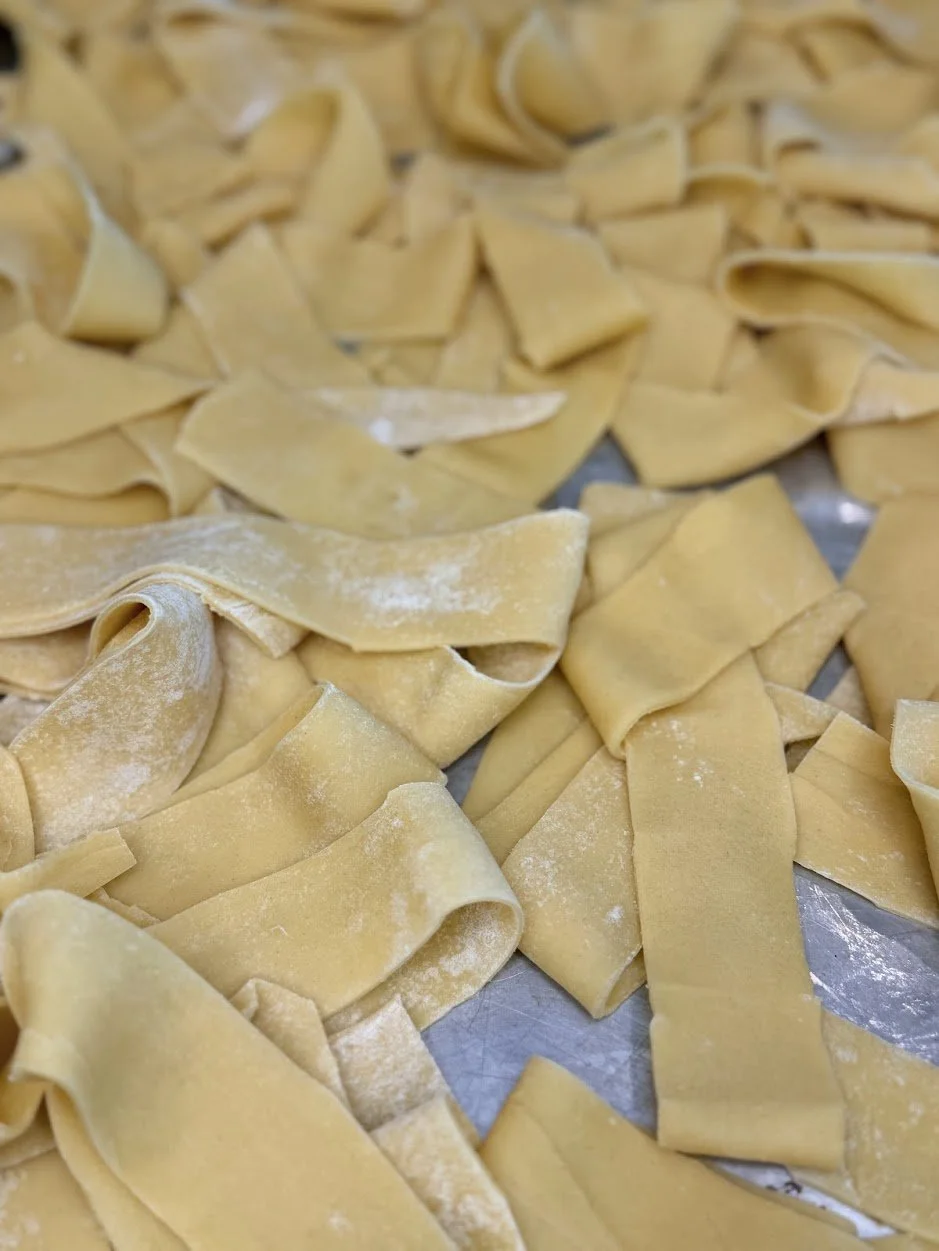
Beautiful ribbons of pasta all ready to boil. Since this is fresh pasta, it just takes a few minutes to boil and it’s ready.
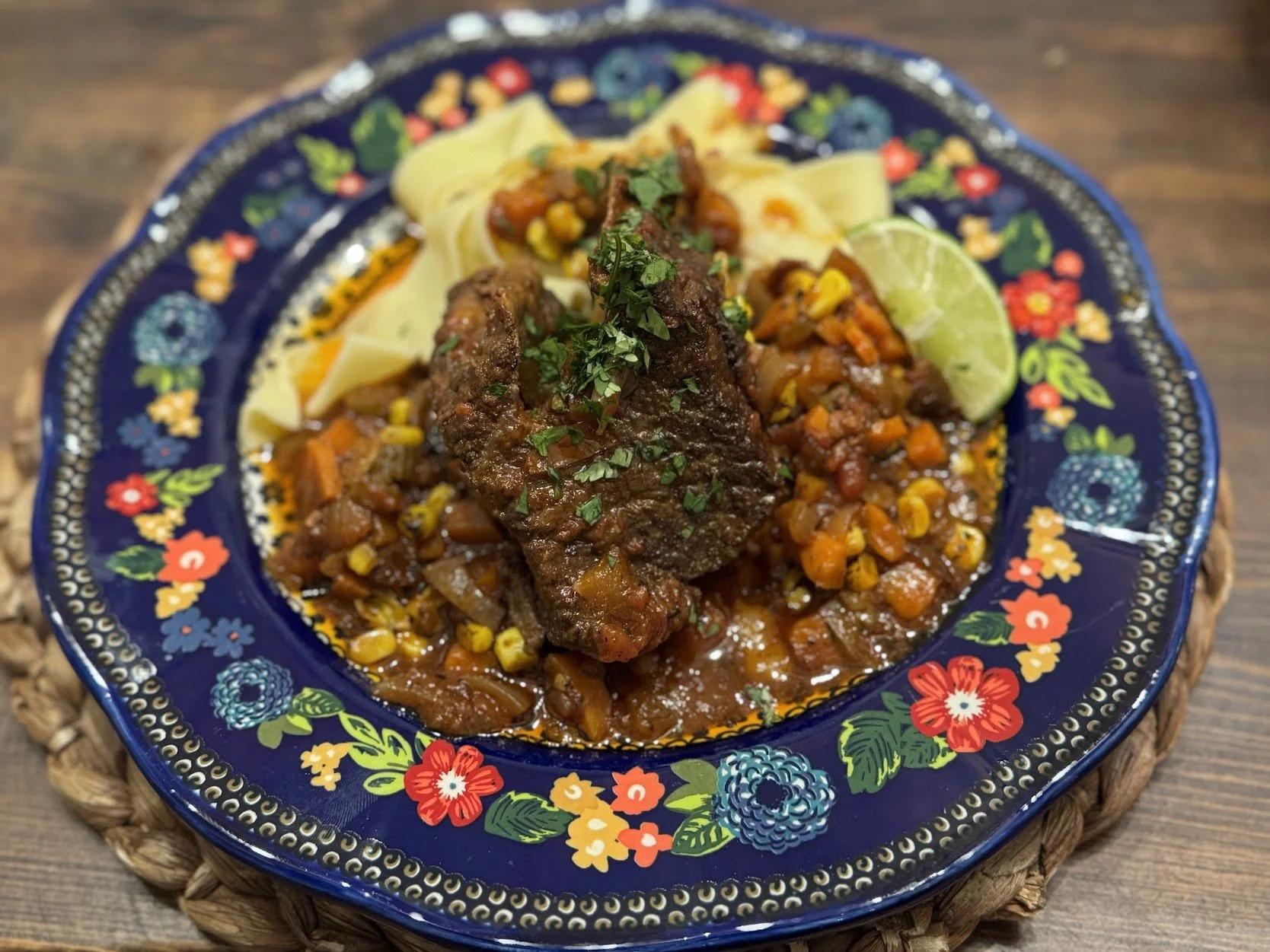
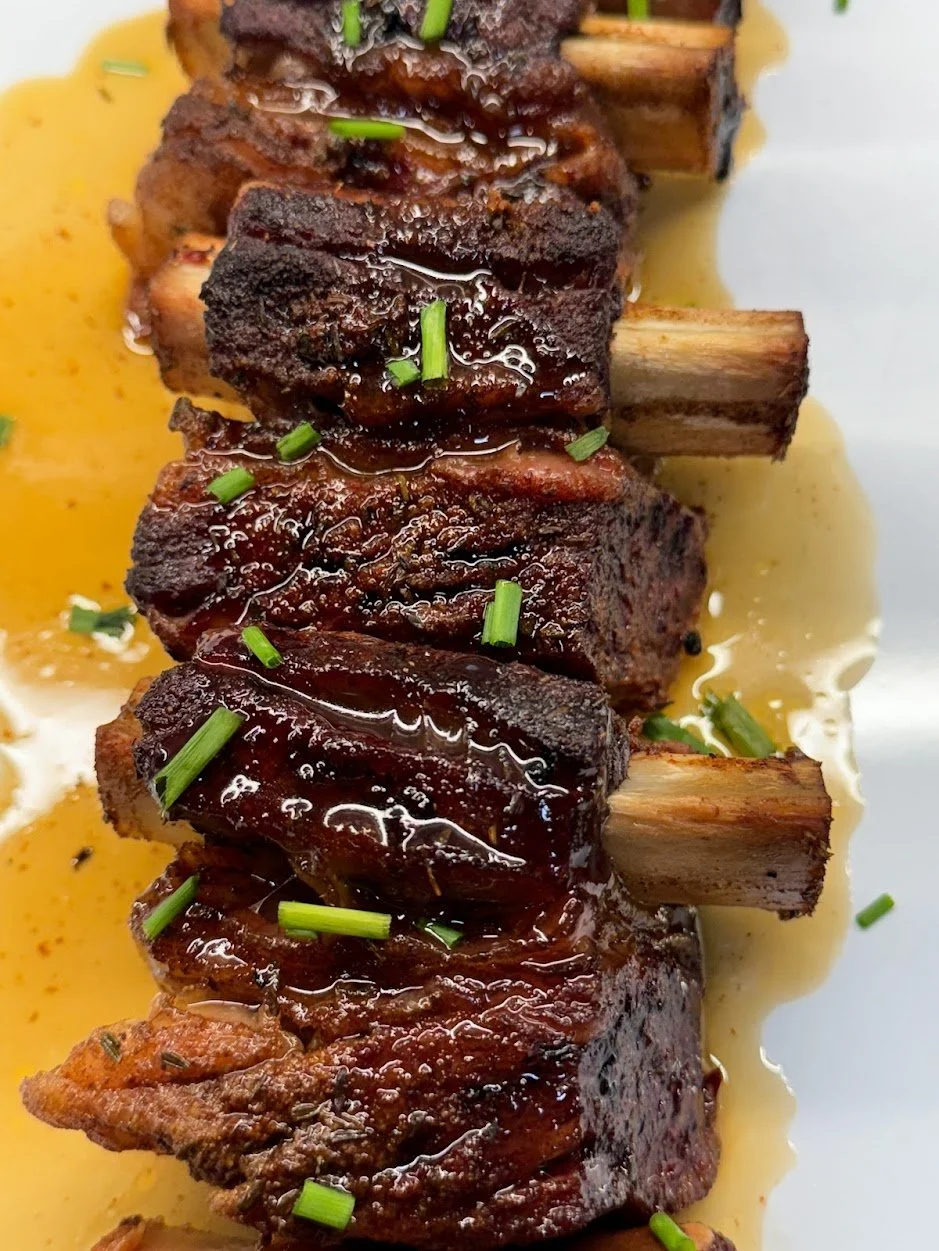
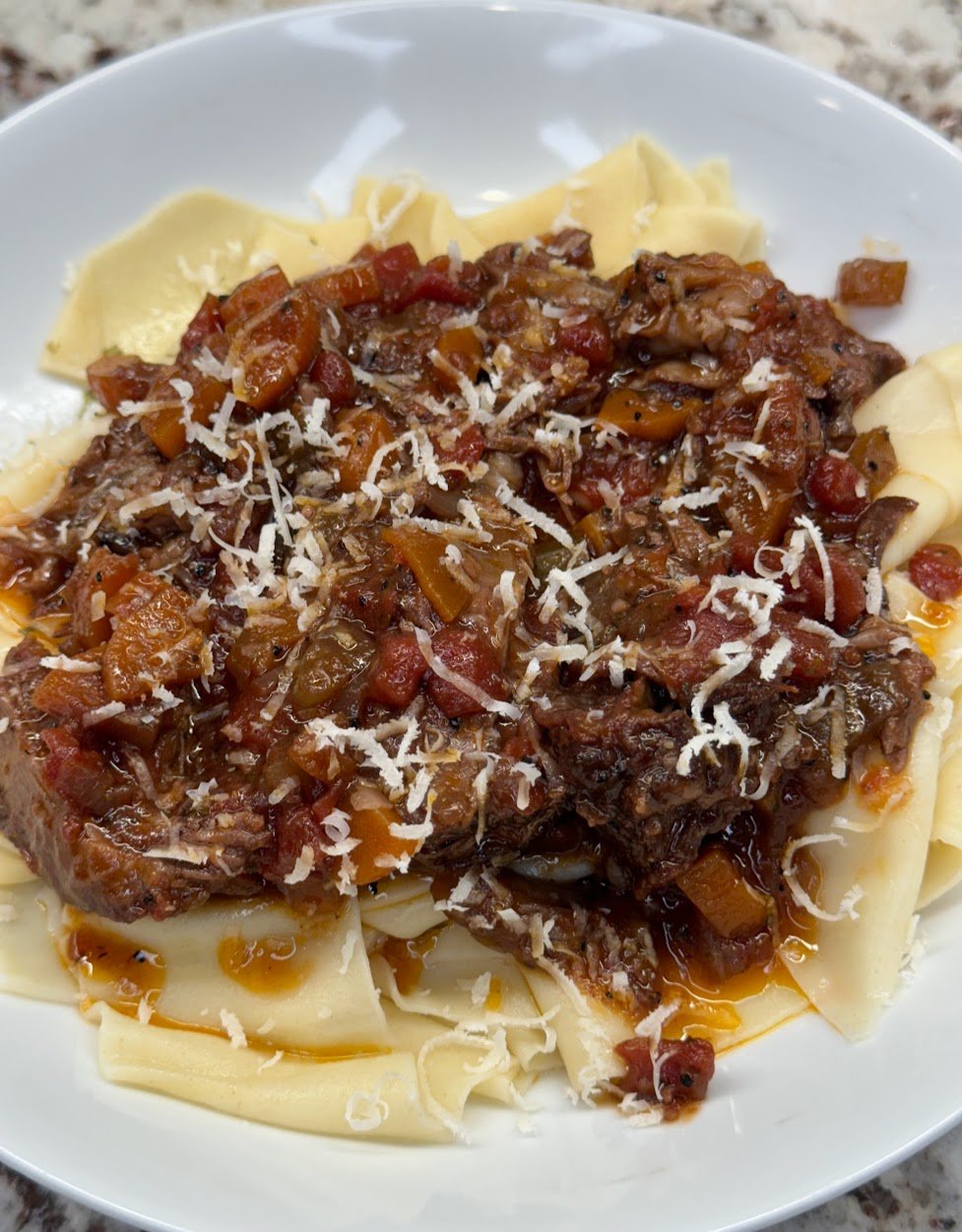
What to serve with your delicious pappardelle? We’ve got three great choices below!

Pappardelle
An ode to the late Chef Anne Burrell, who adds fun to her long winded instructions. (Easier to make than it seems!)
Ingredients
- 1 pound all-purpose flour
- 4 whole eggs, plus 1 yolk
- 1/4 cup extra-virgin olive oil
- Kosher salt
Instructions
- Place the flour on a clean, dry work surface. Make a hole (this is also called a well) in the center of the flour pile that is about 8 inches wide (bigger is definitely better here). Crack all of the eggs and the yolk into the hole and add the olive oil, salt and 1 to 2 tablespoons water.
- Using a fork, beat the eggs together with the olive oil, water (or more if needed) and salt. Using the fork, begin to incorporate the flour into the egg mixture, be careful not to break the sides of the well or the egg mixture will run all over your board and you will have a big mess! Also, don't worry about the lumps. When enough flour has incorporated into the egg mixture that it will not run all over the place when the sides of the well are broken, begin to use your hands to really get everything well combined. If the mixture is tight and dry, wet your hands and begin kneading with wet hands. When the mixture has really come together to a homogeneous mixture, THEN you can start kneading.
- When kneading it is VERY important to put your body weight into it, get on top of the dough to really stretch it and not to tear the dough. Using the heels of your palms, roll the dough to create a very smooooooth, supple dough. When done, the dough should look VERY smooth and feel almost velvety. Kneading will usually take from 8 to 10 minutes for an experienced kneader and 10 to 15 for an inexperienced kneader. Put your body weight into it, you need to knead! This is where the perfect, toothsome texture of your pasta is formed. Get in there and have fun!
- When the pasta has been kneaded to the perfect consistency, wrap it in plastic and let rest for at least 1 hour. If using immediately, do not refrigerate.
- To roll the pasta: Cut off 1/3 of the pasta dough, reserve the rest and keep it covered.
- Squash the pasta with the heels of your hands to facilitate it going through the pasta roller. Dust with flour. Put the pasta through the roller set on number one. Roll the dough through 2 times, dusting it with flour if it feels sticky or tacky.
- Fold the pasta into thirds and put it through the machine on number one again.
- Change the setting on the pasta roller to number two and run the pasta through. Continue to roll the pasta through the machine, changing the setting each time to a larger number (this will make the opening on the pasta machine smaller). When you get to the desired thin-ness (I recommend number six), cut the pasta into 10-inch lengths. Flour the dough generously and stack them in a pile. Cover the stack with plastic or a clean tea towel and proceed rolling the rest of the pasta.
- When the pasta is all rolled, take 3 sheets of pasta and fold both ends of the pasta over each other until they meet in the middle.
- Using a sharp knife, cut the pasta rolls into 1-inch widths. Unroll the pasta "ribbons" and dust with semolina and reserve on sheet trays.
- When ready to use, bring a large pot of salted water to a boil. Add the pasta and cook until al dente, 2 to 3 minutes. Drain.